- Climate and extreme events
- Regulation and market
Events held by ONS and ANEEL show how Brazil's power sector is getting ready for the 2026 El Niño and for increasingly extreme weather.
Resilion6 min read
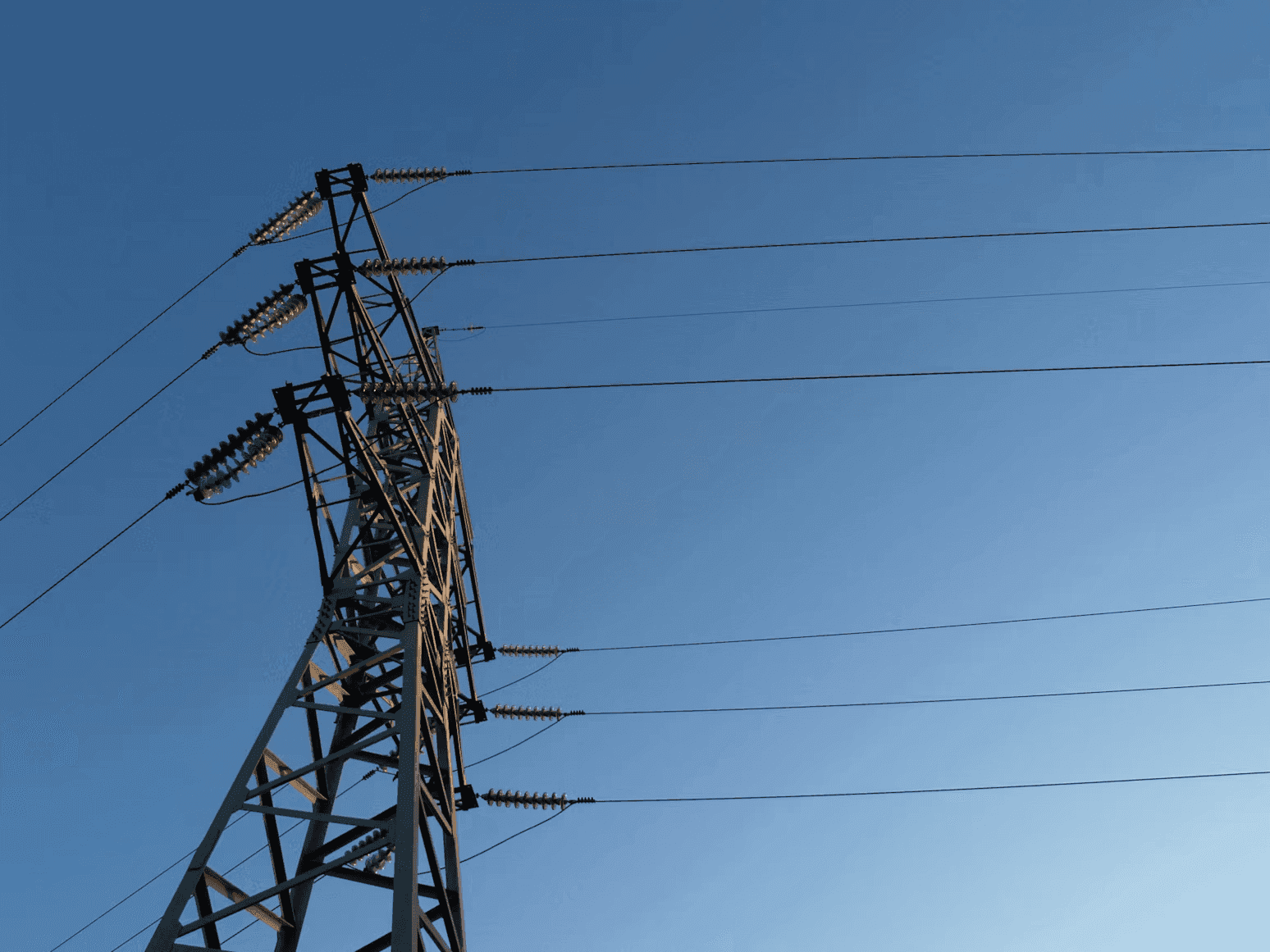
Over the past two weeks, ONS, Brazil's national grid operator, and ANEEL, the electricity regulator, held events to discuss how the El Niño now getting under way will affect Brazil's power sector. Companies from every segment turned out in force, including most of the transmission companies, which shows how much the topic matters and how concerned the sector is about preparing for extreme weather. The events also make it clear that climate resilience is at the top of the sector's regulatory and operational agenda.
I was able to attend both events, and below is a summary of the main messages and what they mean for power transmission operators. Recordings of both events:
ONS - Reflexos do Fenômeno El Niño no Sistema Interligado Nacional: https://www.youtube.com/watch?v=a2sTblxMNyA
ANEEL - Super El Niño e a resiliência do Setor Elétrico Brasileiro: https://www.youtube.com/watch?v=t2MyeAG_Qh0
A Historic El Niño
Slide from the ONS presentation on typical El Niño impacts on rainfall and temperature in Brazil
The meteorologists who spoke at the events were unanimous: this will be a historic El Niño. In its latest report on the subject, NOAA, the US weather agency, puts the odds of a Very Strong event (defined as a temperature anomaly of more than 2.0°C in a given region of the Pacific, as measured by the El Niño index) at more than 90%, and the odds that this El Niño will exceed every other event recorded since 1950 at 69%. Several speakers drew parallels with the major El Niños of the recent past, such as 1997-98 and 2015-16.
The meteorologists also explained how El Niño changes global atmospheric circulation patterns and affects different regions of the planet in different, often opposite, ways. In Brazil, the most consistent impacts are reduced rainfall in the North and Northeast, which can lead to severe droughts, and more rain and more intense storms in the South. In the Southeast and Center-West, the impacts vary from one El Niño to the next and are harder to predict. Rainfall in the Southeast, for example, is not strongly correlated with El Niño. On the other hand, heat waves tend to occur more often worldwide in El Niño years, and weather models already point to them across much of Brazil toward the end of this year.
That said, there is considerable uncertainty about the concrete impacts of the El Niño now under way. Extreme events like the 2024 floods in Rio Grande do Sul result from a combination of factors, many of them hard to predict in advance. Pinpointing where the highest-impact events will hit is also difficult. In short, the message is: "Buckle up, but we don't know exactly when or where the turbulence will hit."
Impacts on Transmission
In the transmission segment, the impacts participants highlighted most were:
-
Extreme winds, which can bring down transmission towers. Structures designed for winds of around 100 km/h are being hit by winds above 200 km/h, as in a recent event that took down 17 transmission towers (plus 58 distribution towers) in the Ribeirão Preto area of São Paulo state. One CPFL executive, for example, said he had never seen that level of destruction before this episode. Dealing with these events calls for a shift in mindset: avoiding 100% of the impacts is not economically viable given the high cost of structural reinforcement, so it makes more sense to invest in speeding up restoration, as we will see below. With El Niño, the regions drawing the most attention are the South and parts of the Southeast and Center-West, which are often hit by the same weather systems.
-
Wildfires are the second-biggest cause of transmission outages, after adverse weather. Speakers stressed that wildfires are not meteorological phenomena, since their causes are human: vegetation in Brazil does not burn spontaneously, and fires are almost always set by deliberate human action. Even so, prolonged droughts, like those projected for the North and Northeast with El Niño, and high temperatures help fires spread. Transmission operators across much of Brazil should watch for this risk and get ahead of it, especially in the 2027 dry season, which will begin after months of below-average rainfall.
-
Floods are also tied to severe storms and can cause serious damage, particularly at substations. The South needs the most attention for this type of event in El Niño years, especially in the spring months. The risk is high enough in some locations that studies are looking at relocating entire substations.
Beyond these, El Niño can affect transmission operations in other ways, such as higher load, which changes the utilization factor of the lines, and reduced river navigability in the North, which makes it harder to reach sites for construction and maintenance.
How Operators Are Preparing
The ANEEL event included a panel with four major transmission companies (Axia, ISA Energia, State Grid and TAESA), which presented their El Niño preparations and their broader efforts in operational resilience. In short, the main points were:
- Well-equipped monitoring centers, fed by high-quality weather forecasts and real-time asset data, are extremely important when the climate is unstable. Axia's representative, Lilian Queiroz, mentioned an investment of more than R$ 100 million to build two monitoring centers (one for weather, one for assets). TAESA's representative, Luis Alves, highlighted the Climatech R&D project, which aims to create the largest shared climate intelligence ecosystem in Brazil.
- Detailed contingency plans for faster restoration. With extreme events growing more frequent and no way to prevent all of them, being ready to restore service quickly through detailed contingency plans becomes essential. ISA's representative, Bruno Isolani, compared the tower restoration process to a Formula 1 pit stop, where every second counts and every move has to be coordinated. The companies cited preparation measures such as bringing maintenance forward, reviewing the quantity and location of spare parts, standing emergency contracts with air transport and crane companies, emergency drills, and cooperation agreements between companies (notably ANEEL Normative Resolution 1137/2025, which allows companies to lend each other resources in an emergency).
- Adopting new technologies to build resilience. Operators cited AI for weather forecasting and failure prediction, smart inspection with drones, cameras with computer vision to detect wildfires, and monitoring of fire hotspots and right-of-way corridors based on satellite image interpretation. As Sandoval Feitosa (ANEEL) pointed out, investing in physical reinforcement alone does not solve the problem: the next leap in resilience will come from prediction and anticipation.
Slide from the presentation by Jorge Bauer of State Grid on the components of contingency plans
Conclusion
The 2026 El Niño is part of a broader context of climate change that is sharply increasing the frequency and intensity of extreme events. The phenomenon now under way amplifies those effects and adds urgency to certain actions, but investment in anticipation and resilience was already at the top of the agenda of nearly every player in the power sector. Adapting to the climate will undoubtedly be a constant challenge for infrastructure in the 21st century. Fortunately, the ONS and ANEEL events showed me that important steps have already been taken: a deeper understanding of climate phenomena, revised operating processes, the use of technology, and coordination across the sector are becoming standard practice. At Resilion, our role is to support that journey with real-time visibility and predictive intelligence, because in an increasingly volatile climate, those who see it coming first make better decisions.
Felipe Figueiredo | General Manager Resilion