- Regulation and market
Innovation in Brazil's power sector is moving beyond regulatory obligation and becoming a strategy for resilience, operational efficiency and climate risk management.
Resilion4 min read
Every company in the power sector has to invest in innovation, year after year.
It is a legal requirement. Law 9,991/2000 obliges utilities, licensees and authorized agents in the sector to spend a minimum percentage of their Net Operating Revenue (ROL) on Research and Development (R&D) programs every year.
How R&D programs are evaluated has changed recently. Under ANEEL's new PDI (research, development and innovation) rules (Normative Resolution No. 1,045/2022, refined by Normative Resolution No. 1,074/2023), Brazil's electricity regulator stopped assessing projects one by one and now looks at each company's entire portfolio over a five-year cycle. Performance is measured against key results set in the Five-Year Strategic Innovation Plan (PEQuI), which roll up into the AMPERE index: if the portfolio reaches at least 85% by the end of the cycle, the PDI investment is fully recognized. In practice, the regulator's message is clear: doing research is not enough; you have to show that the innovation was put to use and produced measurable results.
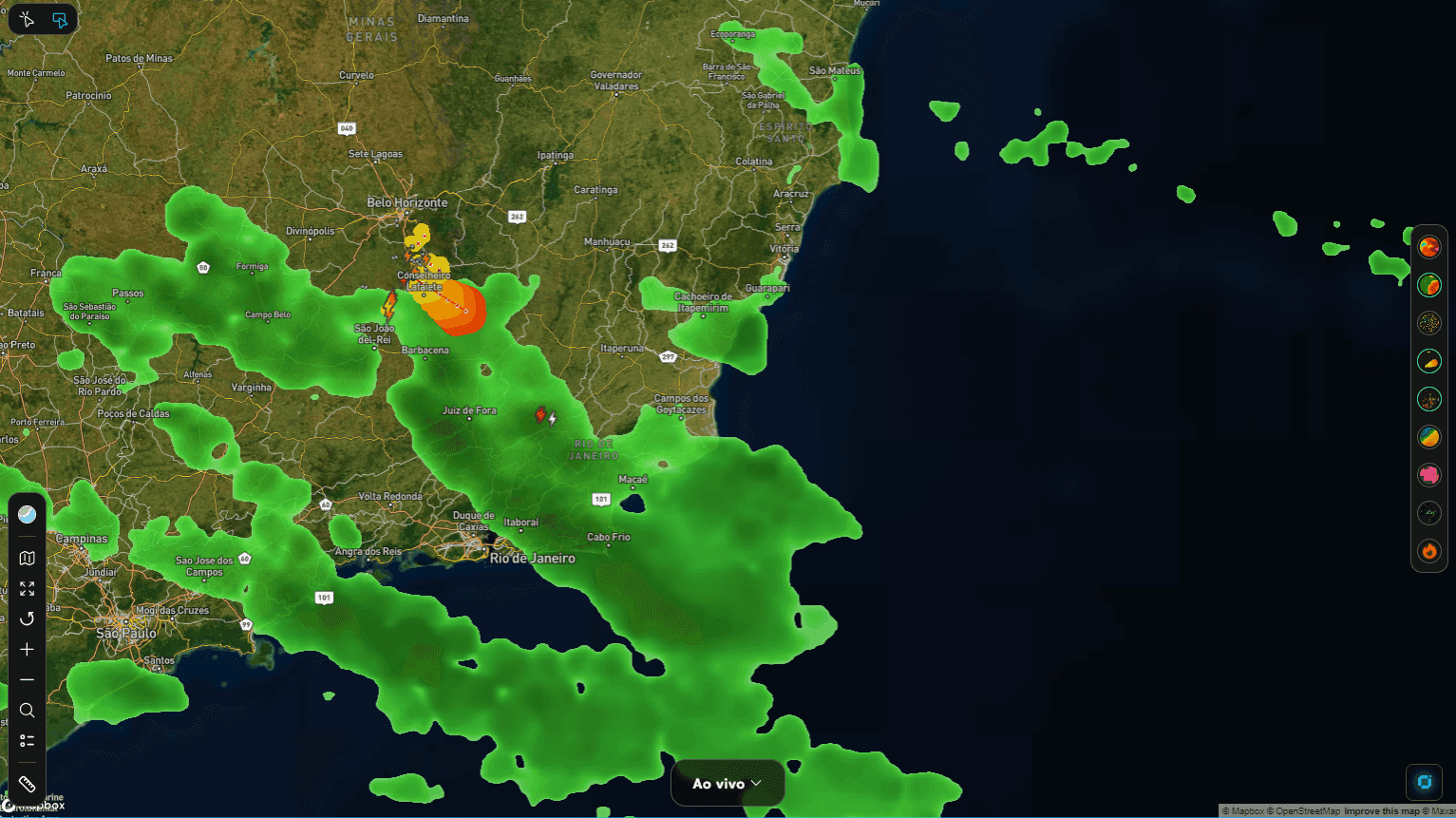
Resilion itself reflects this shift. We started as an R&D project driven by a practical need at Evoltz, the operator of one of the largest transmission lines in the world, NBTE. What began as a technical answer to operational challenges grew into a risk management platform that changes the daily work of O&M teams.
But how does the market recognize who is really innovating?
Every year, Valor Econômico, together with Strategy& (PwC's strategy consulting arm) and Época Negócios magazine, ranks and honors the companies leading the innovation agenda in Brazil.
The Valor Inovação Award and ANEEL's PDI program use different evaluation methods, but in practice they converge. It is precisely by putting their mandatory PDI funds into high-impact solutions that utilities produce the measurable results that both ANEEL (through AMPERE) and awards like Valor Inovação demand.
(Screenshot of strategyand.pwc.com/br)
Some standout projects
In 2026, Axia Energia took first place in its sector ranking and seventh place in the overall ranking of the Valor Inovação Brasil Award. The company runs about 70 active projects aimed at new solutions, operational efficiency and resilience in the power sector.
With a focus on mitigating climate risks (such as extreme winds and wildfires that threaten infrastructure), the company set up asset and weather monitoring centers at its headquarters in Rio de Janeiro. According to the company, the initiative is estimated to deliver more than R$11 million a year in benefits by reducing outages, protecting equipment and limiting regulatory penalties.
(Photo of Axia Energia's monitoring center, taken from https://axia.com.br/inovacao)
Neoenergia (second in the sector ranking) organizes its PDI projects into four areas (smart technologies, safety, sustainability and operational efficiency), with the goal of developing innovative technologies that benefit the sector as a whole.
(Screenshot of https://www.neoenergia.com/pesquisa-desenvolvimento-inovacao)
The image above shows one of Neoenergia's projects in climate intelligence. The solution combines historical variations and trends in apparent temperature with market behavior patterns, which lets the company anticipate demand curves up to a decade out. These climate projections guide planning at the group's distribution companies and shape decisions on investment and energy purchasing.
TAESA, one of the largest power transmission companies in Brazil (and fourth in the sector ranking of the Valor Inovação Award), also sees technological innovation as a core pillar of its growth in the sector. In climate resilience, for example, it is developing Climatech, a PDI project with Climatempo whose main goal is to build a shared climate intelligence ecosystem. The project brings together a sensing strategy, predictive risk analysis, extreme wind forecasting, and support for maintenance planning and regulatory defense.
Conclusion
In the power sector, innovation is increasingly about more than meeting regulatory requirements. Companies are steering their PDI resources toward projects with real impact on their most critical challenges, such as asset resilience.
At Resilion, we welcome this shift and see it as an important validation: when the sector's leaders point their PDI portfolios at climate intelligence and asset resilience, the topic stops being a gamble and becomes a strategic priority. That is exactly where we work. On the NBTE line, alongside Evoltz, we already use sensors, artificial intelligence and satellite imagery to turn weather and asset data into concrete planning, maintenance and operations decisions.
If your company wants to direct strategic investments toward reducing uncertainty and bringing more intelligence to its operations, talk to our team of specialists and find out how the Resilion platform can change the way you manage risk across your transmission assets.